Built by someone who has been the product.
Founder Sarah DeAnna spent a career as the image — editorials in Vogue and Elle, the runways of Dolce & Gabbana and Versace. Semblance is what you build after two decades of watching your own likeness get used by everyone but you.
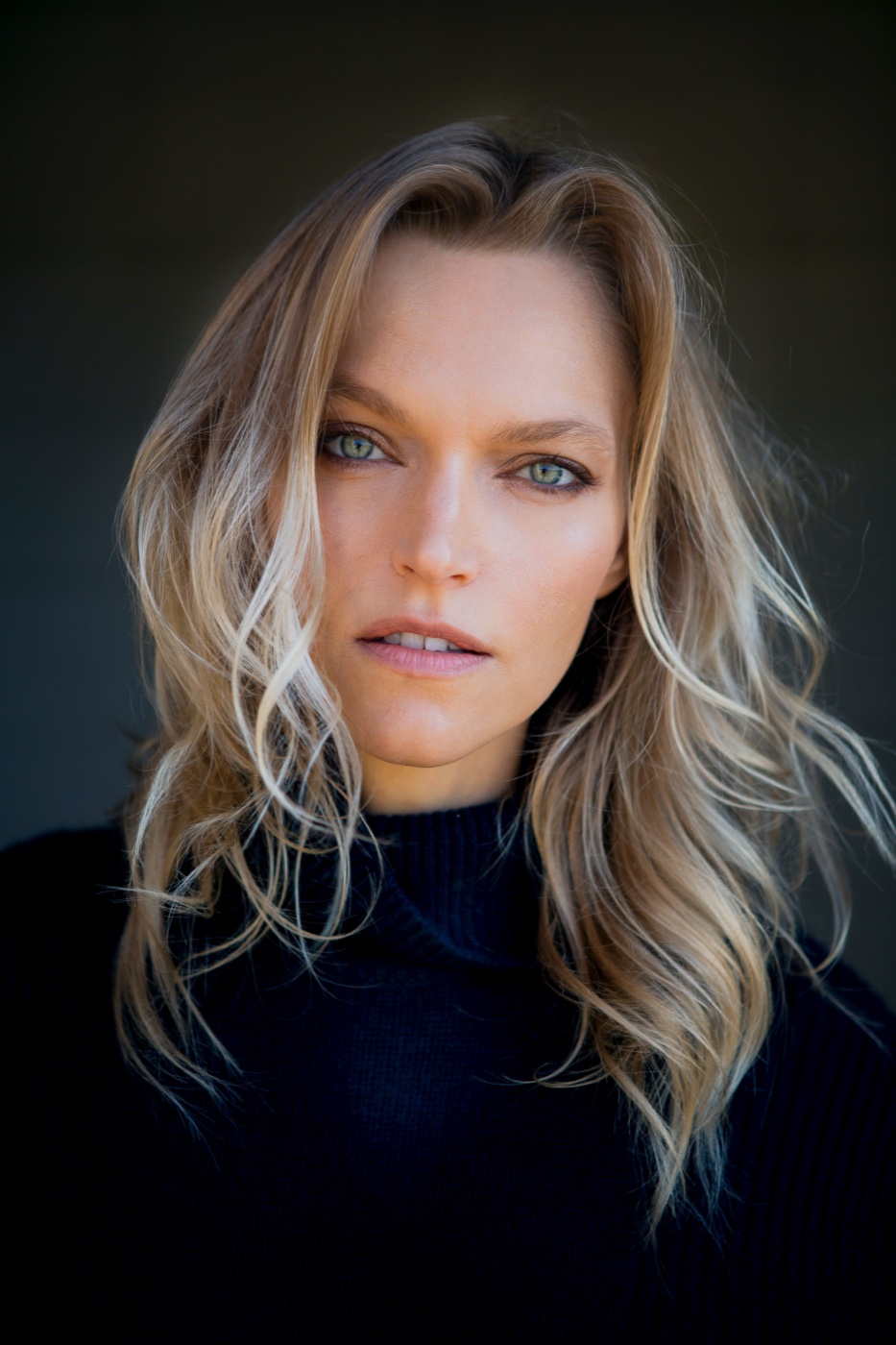
The likeness economy has always had a supply side. Sarah DeAnna lived on it. An international model who appeared in Vogue and Elle and walked for houses including Dolce & Gabbana, Versace, and Stella McCartney, she spent years as the thing the industry bought, shot, retouched, and resold — a face turned into a product, licensed by everyone in the room except, often, the person wearing it.
She also wrote about it. Supermodel YOU (Hay House, 2013), co-authored with four-time New York Times best-selling writer Eve Adamson, is a book about image and self-possession — the psychology of being looked at, and the work of owning how you're seen instead of letting the industry own it for you. Before that, she put herself through an International Business degree ahead of schedule; after it, she kept working as an author, speaker, and advocate. The through-line was never really fashion. It was who controls the image of a person.
Why the résumé is the qualification
Most people building AI infrastructure have never been the training data. Sarah has. She has been the face on the campaign, the name on the call sheet, the likeness whose value everyone in the chain understood — the agency, the brand, the retoucher, the platform — while the terms mostly happened above her head. That is not a grievance; it is a spec. It is the exact power imbalance Semblance is built to correct, described by someone who felt it firsthand.
It is one thing to believe, in the abstract, that people should control and be paid for their likeness. It is another to have watched your own get used and know precisely where the leverage sits, what a face is actually worth, and how a rights grant quietly becomes permanent. After two decades in fashion, she now builds companies focused on the future of creativity in the age of AI — translating the technology into products, partnerships, and terms that let an industry adopt it without discarding human creativity, trust, or the person’s ownership of themselves.
What she’s building
Semblance is that thesis, built: a registry where verified people and owned characters license their likeness on their own terms, with consent, compensation, and provenance in every transaction — bookable by humans through the marketplace and by AI agents through an API. The face stays its owner’s. The deal is legible. The record is kept.
The people whose images will train and power the next decade of media should be the ones who decide how — and who get paid when. It helps that the person building the mechanism has been on the other end of that deal. On Semblance, that isn’t the founder’s story. It’s the reason to trust the terms.